Applied Equine Podiatry: A Different Approach to Your Horse's Hoof Health
Every domestic horse needs regular hoof care. But not all hoof care is the same.
Applied equine podiatry is a distinct category of hoof care—separate from traditional farrier work and barefoot trimming. While the primary tool I use is the trim, the philosophy, approach, training, and goals are fundamentally different.
And as a result, the trim itself is different.
The focus is very specific: developing health in the internal structures of your horse's foot.
Understanding Applied Equine Podiatry
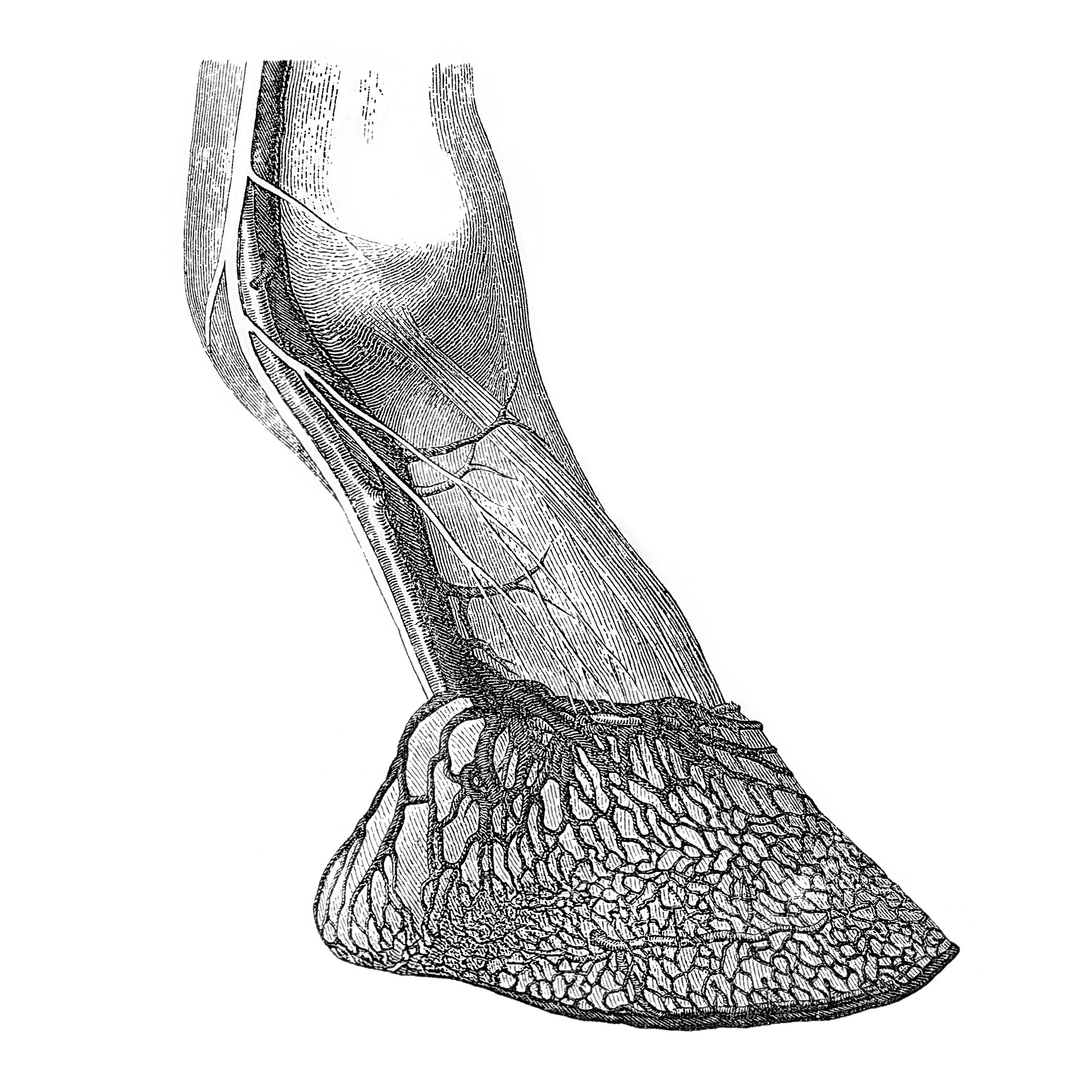
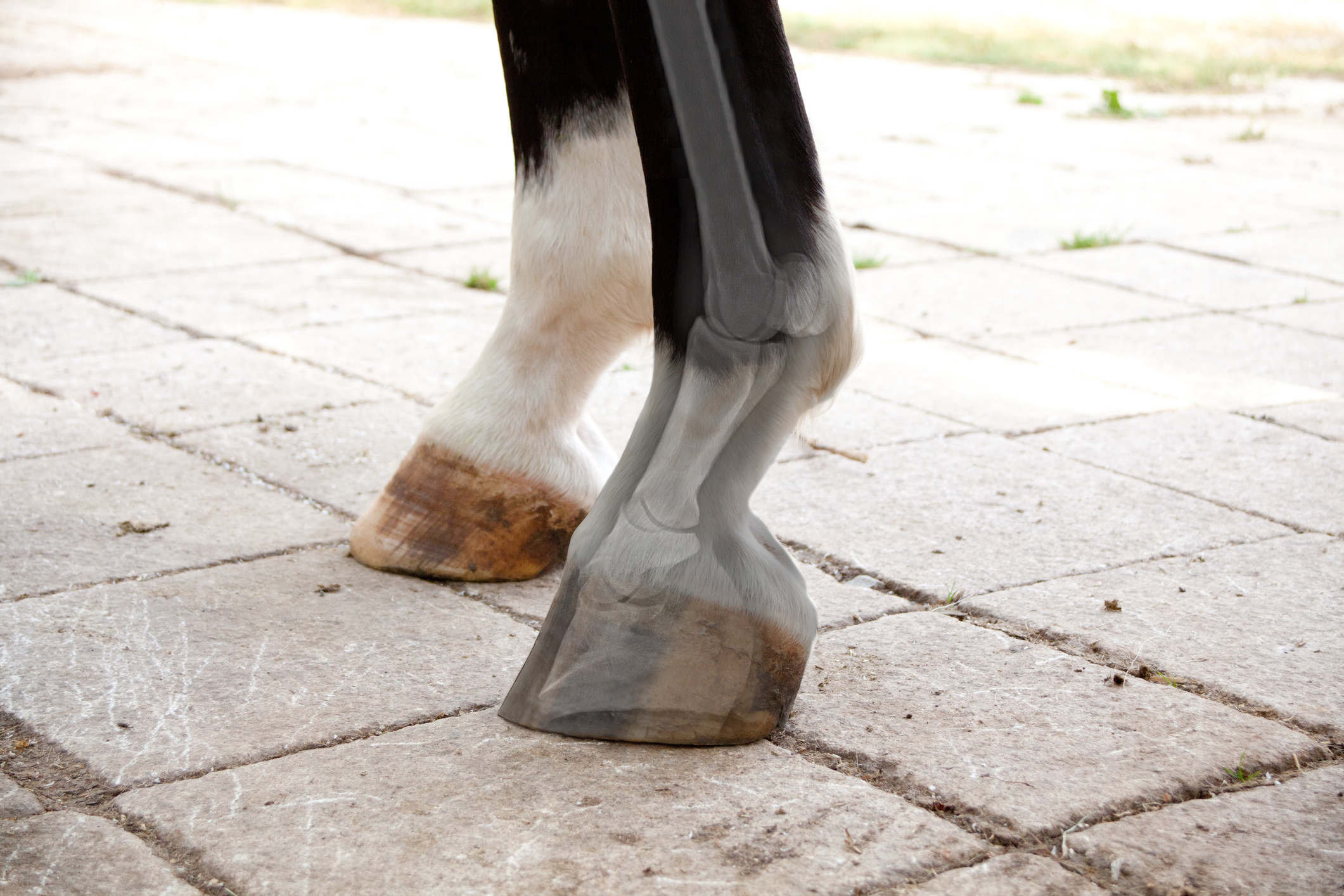
Applied equine podiatry is based on the work of KC LaPierre, a master farrier for over 40 years. This approach focuses on understanding the internal structures of the foot and how they develop. We examine how the horse's foot functions, recognizing that how we shape the outside of the hoof capsule greatly impacts the health and development of the structures on the inside.
This isn't about imposing a predetermined shape or focusing solely on the hoof capsule. It's about asking "why" and working to create the conditions for true hoof health from the inside out.
My nursing background gives me a strong foundation in anatomy, physiology, and how the healing process works. This translates directly to understanding your horse's foot health and development at a deeper level.
Why Horse Owners Choose Applied Equine Podiatry
Most horse owners who come to me fall into one of two categories:
Either they're holistically minded about their horse's care and are looking for an approach that aligns with that philosophy, or
they're dissatisfied with the hoof care they've received so far and are searching for something different.
You might be dealing with a specific problem—navicular issues, difficulty transitioning to barefoot, chronic discomfort—or you might simply want a more health-focused approach to your horse's regular hoof care. Applied equine podiatry works for any situation where the goal is to develop health in the structures of the foot.
What Makes This Approach Different
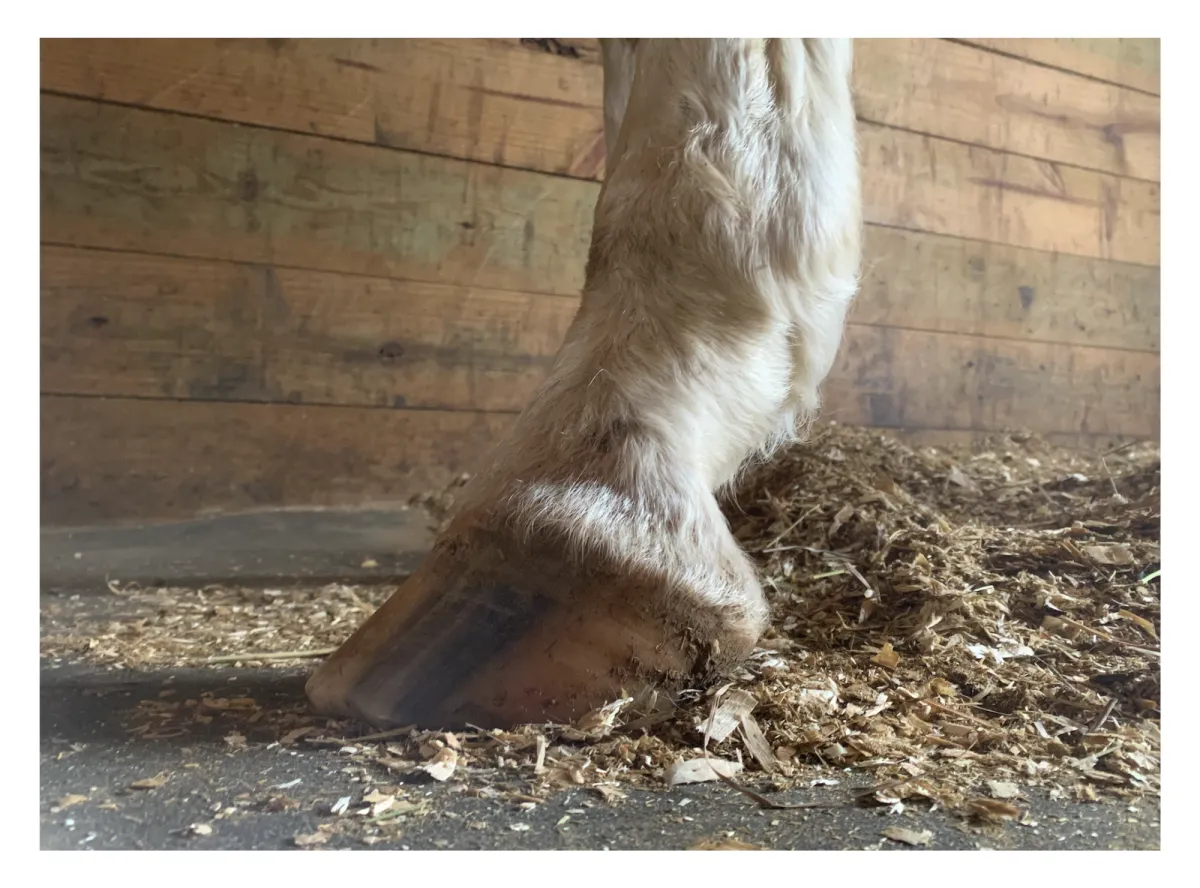
If you've worked with farriers or barefoot trimmers before, you may have noticed that the focus is often on the external hoof—its shape, balance, and appearance. Applied equine podiatry takes a different view.
We look at what's happening inside the foot. We consider blood flow, tissue health, and the development of internal structures. We understand that creating health on the inside will naturally improve what you see on the outside—and more importantly, how your horse feels and moves.
This approach answers the "why" questions that often go unanswered in traditional hoof care. Why does the foot look this way? Why is the horse moving like that? What's happening inside that we can't see, and how can we support the body's natural healing and development processes?
Here's something important to understand:
the trim is just one piece of the puzzle when it comes to your horse's foot health.
The Six Factors Affecting Hoof Health
Diet and nutrition
Movement
Environment (both the surrounding hoof environment and what's applied to the hoof)
Toxins (or an overload of toxins in the horse's body)
The trim
Owner's mindset (your expectations and whether you're open to solutions and problem-solving)
As your applied equine podiatrist, I primarily handle the trim and the immediate hoof environment (what goes on the hoof capsule, if anything). But foot health is better served with a whole horse approach. For horse owners who want to address all six factors comprehensively, I offer a separate six-month whole horse coaching program. You can check out From Backseat to Boss here.
A Special Note About Laminitis
If your horse has laminitis, it's important to understand that this is a whole horse problem, not just a hoof problem.
While the trim and hoof care are important pieces of addressing laminitis, they cannot fix it alone. Many horse owners mistakenly believe that laminitis is all about the foot, but the reality is it's much more complex.
If your horse has laminitis, you would be better served by a comprehensive approach that addresses all aspects of your horse's health—such as my whole horse coaching program or another holistic program—in addition to appropriate hoof care. If this sounds like a path you want to take with your horse, I'd be honored to partner with you in their recovery and long-term health.
What to Expect When We Work Together
Initial Assessment
We begin with a comprehensive assessment where I evaluate the current state of your horse's feet and discuss your goals. We'll talk about reasonable expectations and timeframes to make sure we're aligned before moving forward.
Regular Trim Schedule
We'll set up a regular trimming schedule, typically every five weeks. Consistency is important for developing and maintaining hoof health.
Education & Partnership
Each appointment includes the trim itself as well as information that will help you partner with me and your horse in developing health. I'll educate you on what to watch for between visits and help you understand what I'm seeing and why I'm making specific choices for your individual horse.
This is a three-way partnership between you, your horse, and me.
Barefoot & Rehabilitation Tools
I generally prefer horses to be barefoot, as that is the healthiest option for them. However, I do use specialized tools during rehabilitation when necessary, including Perfect Hoof Wear and a unique three-piece horseshoe called the Trinity.
Transitioning from Shoes to Barefoot
One area where I've had significant success is helping horses transition comfortably from metal shoes to barefoot.
The transition process begins with an assessment of your horse's foot health as a result of wearing shoes. We'll discuss reasonable expectations and timeframes to ensure you want to move forward.
Once we decide to proceed, I remove the shoes, trim, and apply Perfect Hoof Wear. The Perfect Hoof Wear will be reapplied at every trim for at least three trims—a minimum of three months. After that period, we'll determine whether we need to continue with it, use some variation of it, or discontinue it.
You'll receive clear instructions on what you can do with your horse during the transition period. In some cases, there won't be any significant changes to your horse's work or routine. In other cases, you may need to step back in what you're doing with your horse for a period of time while the internal structures strengthen and become more capable of handling that level of intensity.
Every horse is different, and the transition is tailored to your horse's individual needs.
Results You Can Expect
Over the course of our work together, you'll likely see changes in your horse's hooves. Some owners notice big differences in how the hoof looks—a different shape, better quality hoof wall, improved sole depth.
But more importantly, you'll see a difference in how your horse feels in his feet.
You can expect your horse to move better and be more comfortable. Many of my success stories involve horses with navicular problems who have returned to comfortable movement, and horses who have successfully transitioned from shoes to barefoot.
Results vary by individual horse and depend on your starting point. Your horse's age, job, and your expectations will all affect the outcome. It's important to recognize that when it comes to improving the health of your horse's feet, the hoof care and trim are one piece of the puzzle—but there are many more factors at play.
As an Applied Equine Podiatrist, we are taught to look at the outside, and see the inside.
Is This Approach Right for You?
Applied equine podiatry isn't just about the technical work—it's about philosophy and partnership.
This approach puts the horse first.
It's not about your ability to ride or your horse's ability to perform. The goal isn't to keep your horse going despite what's happening with his feet. The goal is to develop health in your horse's feet because that's what's best for your horse.
Here's what I've learned over 18 years of practice: when your horse's feet are healthy and your horse is happy, you will be able to ride better and get better performance. But those benefits are the side effect, not the goal.
This approach is a good fit if:
You want the best for your horse more than you want to ride
You want the best for your horse more than you care about earning ribbons, competing, or performing
You're willing to be patient with the process and understand that developing health takes time
You're open to learning and partnering in your horse's care
You put your horse's wellbeing above your own desires
This approach is not a good fit if:
You just care about your horse performingYou want to keep your horse going regardless of what's happening with his feet
You're looking for a quick fix rather than a commitment to developing health
You're not interested in understanding the "why" behind the work
My Background and Credentials
I trained at the Institute of Applied Equine Podiatry in Ocala, Florida approximately 18 years ago. I am an advanced level applied equine podiatrist and also serve as an instructor for the Institute's program. I occasionally offer local educational events.
My journey to applied equine podiatry came from my deep love for horses and my desire to make the greatest impact on their quality of life. The feet are one of the primary life-required systems for a horse to live, and they strongly impact a horse's happiness and quality of life. Since so many horses struggle with feet issues, I chose to focus on this area where I could truly make a difference.
I was introduced to applied equine podiatry at a trade show, and it immediately resonated with me. For years, I had never been able to get answers for the "whys" from farriers, and I had watched the trend of farrier work not align with what I wanted for my horse. When I discovered applied equine podiatry, everything clicked. This approach looks at the why. It focuses on health. It strives to understand the inside of the horse's foot rather than simply focusing on the hoof capsule.
The Logistics
Pricing
Initial Assessment and Regular Trims: $100 per visit
Additional Fees for Rehabilitation Tools:
Perfect Hoof Wear: $60 for a pair (two hooves)
Trinity Horseshoe: $225
Regular trim appointments are scheduled every five weeks.
Service Area
I primarily serve clients in Central and Eastern Connecticut. In special cases, I may consider working with clients outside this geographic area on an individual basis.
Ready to Learn More?
If this approach resonates with you and you're committed to putting your horse's health first, I'd love to hear from you.
Questions? ASK. That's how we learn. That's what our horses deserve.
That's how you get the best care you can for your horse.
Email me directly at chris@chrishuppe.com.
I look forward to potentially partnering with you in your horse's hoof health journey.Questions? ASK. That's the only way we learn.Questions? ASK. That's the only way we learn.
